Compassionate personal care
Bathing, grooming and dressing, moving safely between bed, chair and bathroom, and toileting handled with privacy — done gently, at the person’s own pace.
Compassionate home care in Miami
We support older adults, people living with illness and vulnerable neighbors across Miami-Dade with personal care, companionship and practical help at home — so they can stay in familiar surroundings with dignity and comfort.
Rooted in the neighbourhood. Delivered at the door.
About us
A Better Day Homecare is a home care NGO dedicated to supporting elderly, sick and vulnerable people with compassionate care, basic healthcare assistance, emotional support and essential services — so they can live with dignity and comfort in the homes they already know.


Our services
Every household is different. We start with a visit rather than a form, and we will tell you honestly if what you need is something other than us.
Bathing, grooming and dressing, moving safely between bed, chair and bathroom, and toileting handled with privacy — done gently, at the person’s own pace.
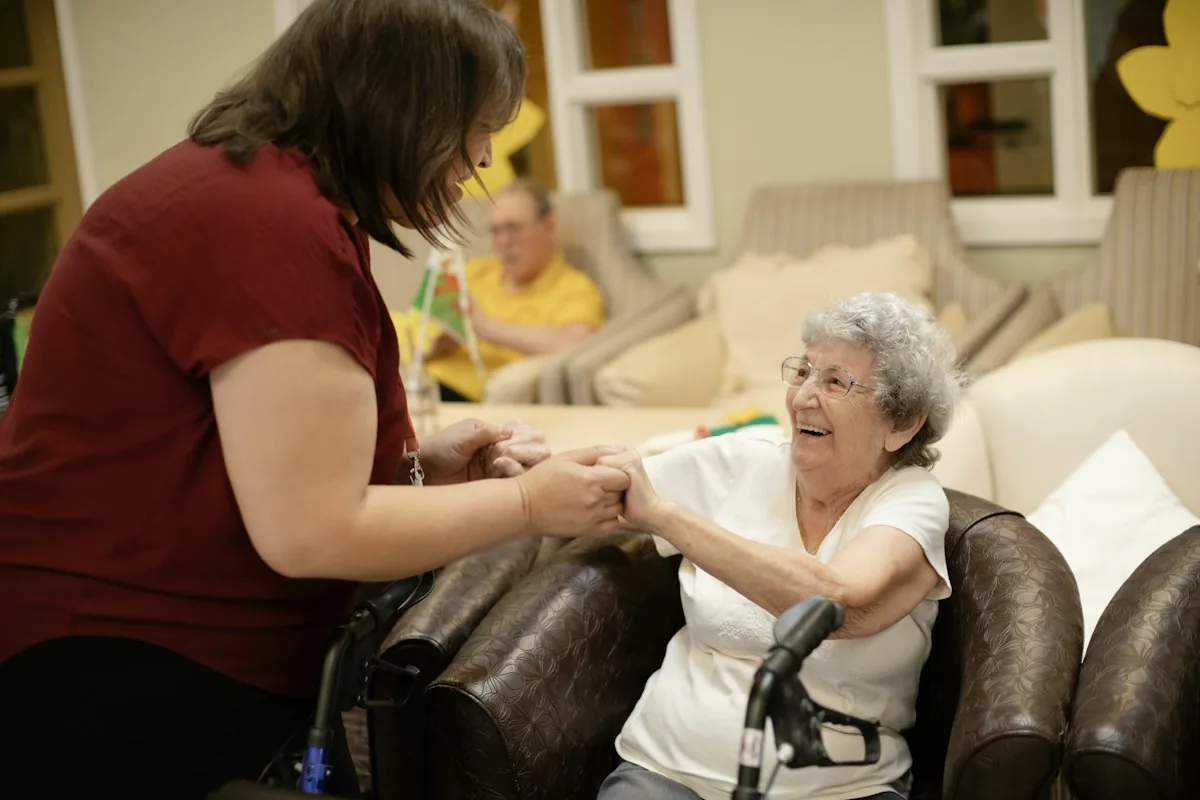
Hours set aside for conversation, company and reassurance. For someone living alone, being listened to is often the part of the visit that matters most.
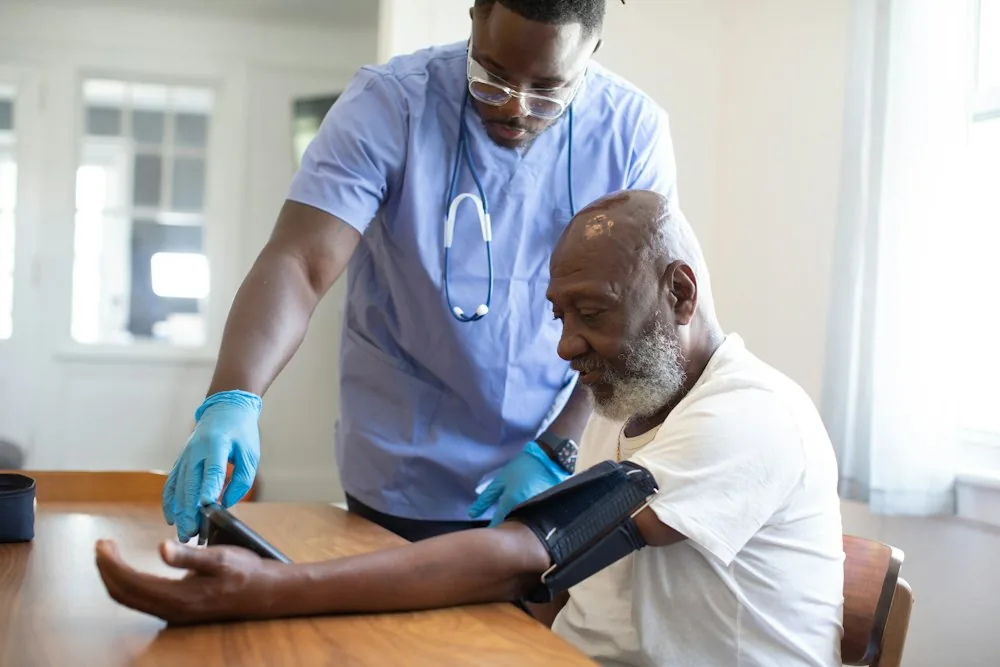
Medication reminders, blood pressure and weight checks, wound and mobility support, and a written daily note that the family and the doctor can both read.
Most care is given by a relative who has not had a full day off in years. We cover the shift — a few hours to overnight — so they can rest, work or see their own doctor.
Hot meals, shopping and errands, laundry and light housekeeping, and getting to appointments — the everyday things that keep a home running.
Forms read and filled in, benefits and assistance applications, and coordination with clinics, pharmacies and hospital discharge staff on the household’s behalf.
A day of care
Compassionate care is not an abstraction. It is a set of small, specific hours that decide whether somebody eats, moves, takes their medicine, and has anyone to talk to.

7:15Morning
Help out of bed, washing and dressing, breakfast on the table — and a quiet check on what changed overnight.
11:00Midday
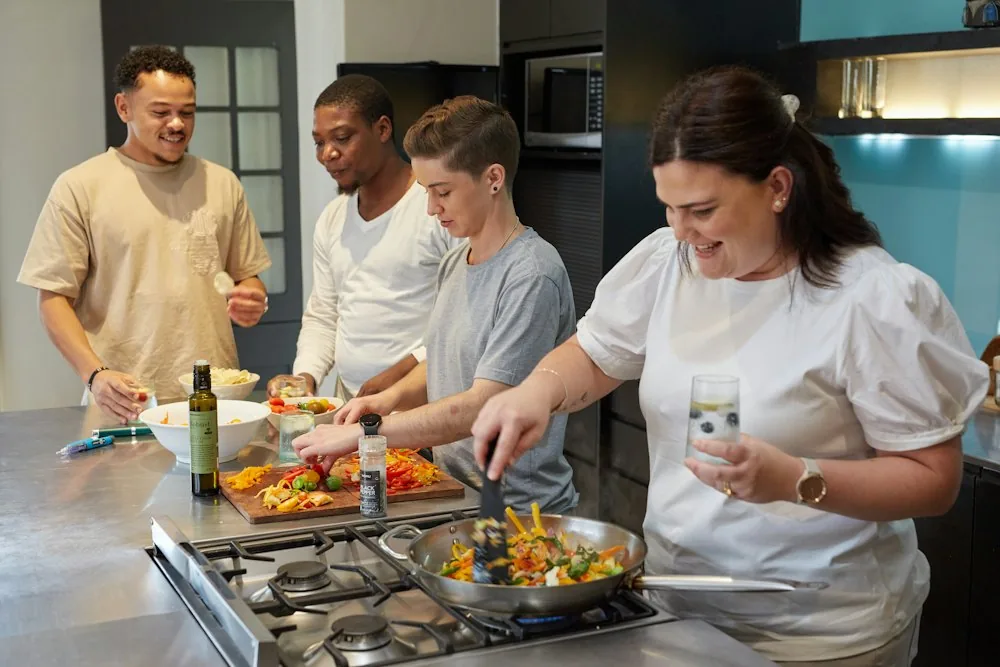
Lunch cooked the way the household actually eats, medication prompted at the same time daily, and what was taken written down.

2:30Afternoon
A walk to the corner, a ride to the clinic, a seat in the waiting room that somebody else is keeping track of.
6:45Evening
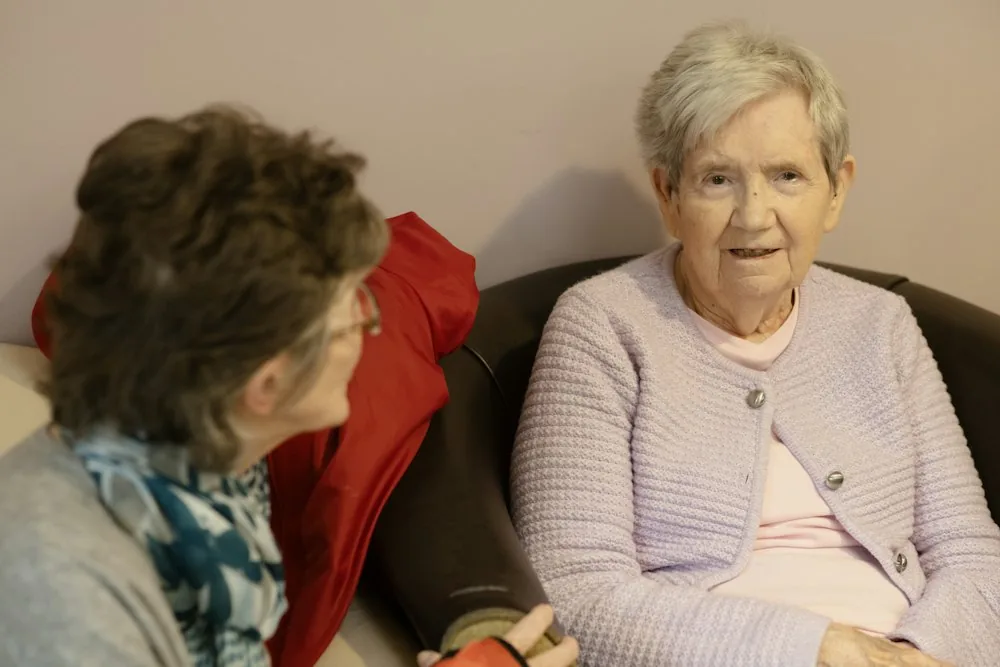
Supper, the television on, and a long conversation. Isolation does as much damage as anything written on the chart.
Not every household needs all four. We start with the hour that is causing the most trouble, and build from there.
See the full range of support ↗Who we help
Most people reach us at a turning point rather than a planned one — after a fall, after a diagnosis, or after a family member finally admits they cannot keep going alone.

Managing on the good days, with nobody to notice on the bad ones. A few hours of company and a set of eyes changes the whole week.

The weeks after an illness or a discharge are the hardest. We cover them — medication, mobility, meals, and a call to the clinic when something changes.
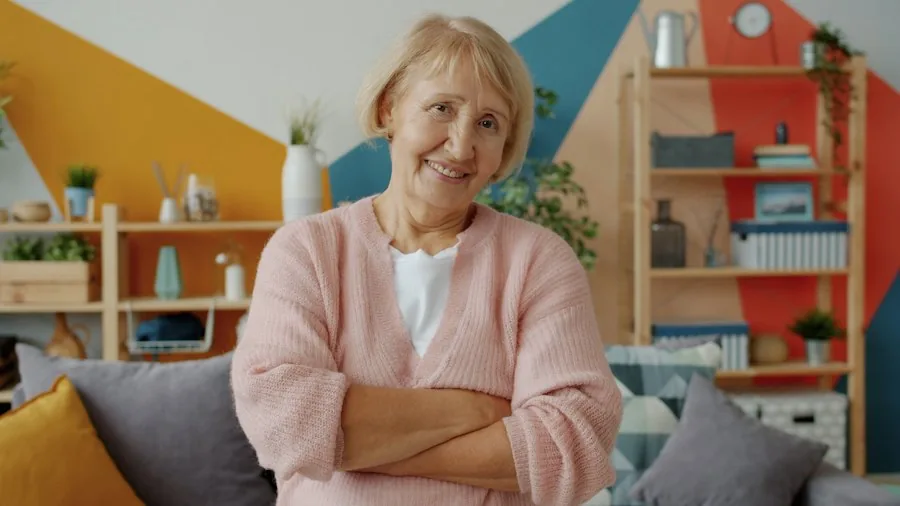
Frailty, memory trouble, or simply no one nearby. Routine and a familiar face do more than any new arrangement can, so we send the same carer back.

A daughter, a wife, a neighbour who has not had a day off in years. We take the shift so they can sleep, work, or see their own doctor.
How to start
There is no application to fill in before you speak to a person, and nothing is owed if you decide against it.
Call, email, or have a clinic or neighbour refer you. We ask who the care is for and what the hardest part of the day is right now. Ten minutes.
A visit at home, usually within a few days, with whoever the family wants in the room. We work out the hours, the language, and what you may qualify for.
We begin small and build up. You will have a named contact, and the plan gets reviewed as the situation changes — because it will.

Find us
The office sits inside the community it serves, in the 33142 ZIP code. Walk in, call, or ask a neighbour about us.
A Better Day Homecare IncWays to help
You do not need to be a nurse to be useful to an older neighbour. Most of what is missing is time and attention.
Before you call
We visit the home first to see what is actually needed, usually within a few days of your call. If it is a hospital discharge or an emergency, say so on the phone and we will move the visit up.
It depends on the hours and on whether the household qualifies for Medicaid or a Florida waiver programme. We tell you the number before anything starts, and we will help you apply for coverage if you do not have it yet.
That is the goal, and we schedule for it. Consistency is what makes home care work, especially for a client living with dementia. When the regular aide is out, we send someone who has already met you.
Most people say that. We start small — a couple of hours, one task she actually wants help with — and let her set the pace. The first visit is a conversation, not a shift.
Age is not the test. We support people who are sick, recovering, frail or vulnerable for any reason, including younger adults who need help at home for a period.
Yes, and the discharge planner can call us directly. Tell us the discharge date as early as you have it, because the first fortnight at home is when most people get readmitted.
That is normal and expected. The plan is reviewed as things change, and you can raise or lower the hours without starting again from the beginning.
Tell us who you are calling about and what the hardest part of the day is right now. No charge for the first conversation, no obligation after it. Office hours are Monday to Friday, 9:00 to 5:00.