A Better DayHOMECARE INC · MIAMI FL Request care

Home care services in Miami, built around you

Personal care, companionship, everyday help and support for family caregivers across Miami-Dade. We start with a home visit to understand your household’s needs and discuss which services may help.

A health worker with a stethoscope talking with an older man at home

Jump to a service

Personal careWashing, dressing, moving safely
Emotional supportCompany, conversation, reassurance
Healthcare assistanceMedication, checks, daily notes
Essential servicesMeals, shopping, transport
Support for family carersCover so a relative can rest
Help with the paperworkForms, benefits, coordination

01 Compassionate care

Personal care and daily living assistance

The tasks that get harder first, and the ones that cause falls. Done unhurried, in the person's own bathroom, at the hour they would have chosen for themselves.

  • Bathing, showering, and washing hair
  • Dressing, grooming, shaving and nail care
  • Getting in and out of bed, chairs and the bathroom
  • Toileting and continence care, handled with privacy
  • Skin care and repositioning for anyone spending long hours in bed

Usually for: someone whose mobility or strength has dropped, after a fall, or where a family member is managing personal care they find difficult.
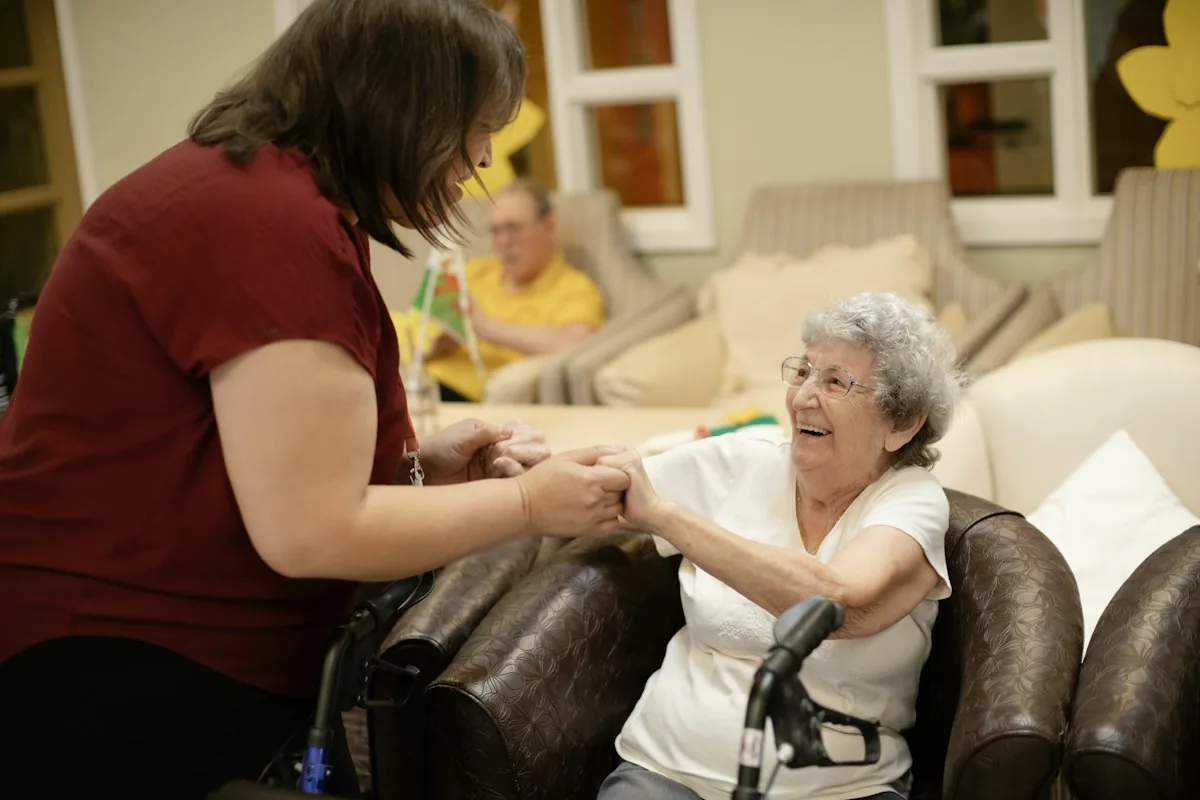
A carer helping a smiling older woman up from her chair, her walker beside her

02 Emotional support

Companionship and emotional support

Isolation does as much damage as anything written on a chart, and it is the part of care most often cut first. We schedule it deliberately rather than hoping it happens in the gaps.

  • Regular visits from a familiar carer
  • Sitting, talking, reading, cards, music, television
  • Help making calls to family who live far away
  • Getting out — a walk, church, a shop, a neighbour's porch
  • A steady presence through grief, anxiety or confusion

Usually for: someone living alone, recently bereaved, or whose world has narrowed to a few rooms.

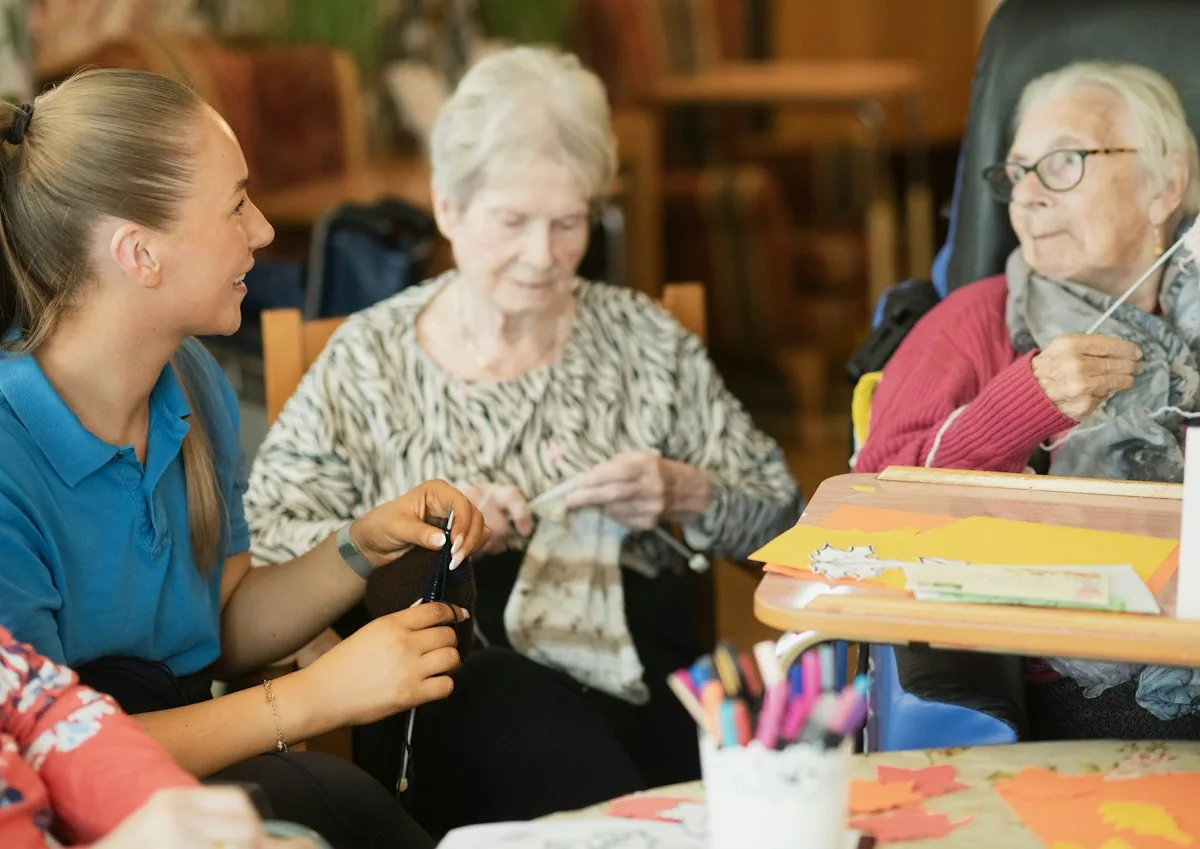
A carer sitting with older women during an afternoon activity

03 Healthcare assistance

Basic health support and medication reminders

Not nursing, and we will say so plainly if nursing is what is needed. This is the routine, watchful layer that catches small changes before they become emergencies.

  • Medication reminders and prompting, at the same time daily
  • Routine blood pressure, weight and general observation
  • Mobility support and simple prescribed exercises
  • A written daily note the family and the doctor can both read
  • A call to the family the same day something looks wrong

Usually for: someone managing a long-term condition, recovering from illness, or recently home from hospital.

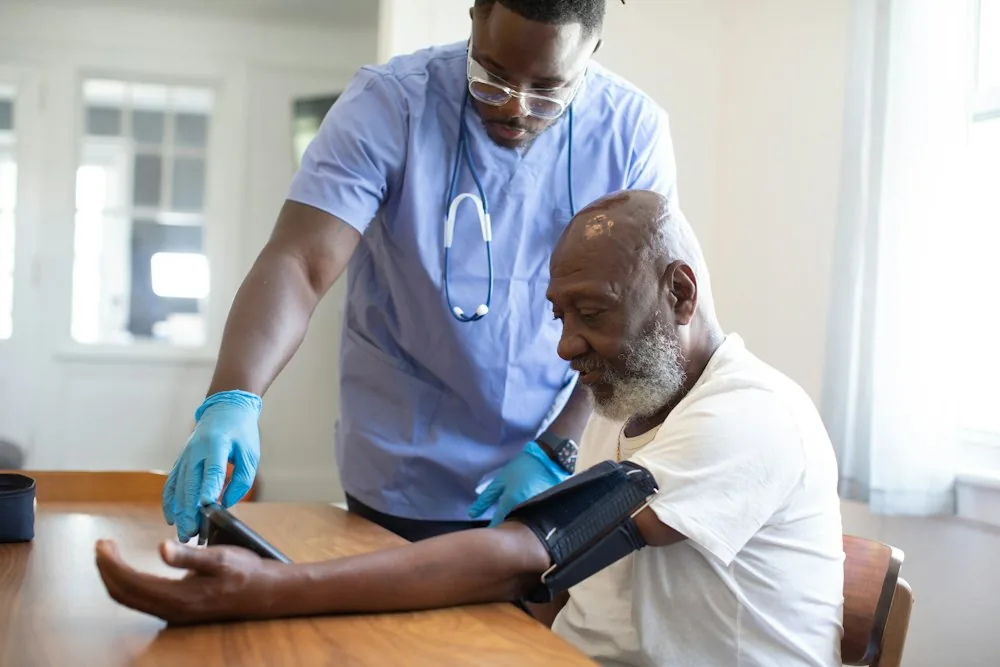
A home health aide checking an older man's blood pressure at his kitchen table

04 Essential services

Meal preparation, errands and light housekeeping

A household does not stop needing food, clean clothes and a working fridge because somebody got ill. This is the unglamorous half of staying at home, and it is often what fails first.

  • Cooking hot meals the way the household actually eats
  • Shopping, collecting prescriptions and running errands
  • Laundry, bed changing and light housekeeping
  • Getting to appointments and sitting through them
  • Flagging what the home itself needs — a grab rail, a working fan

Usually for: anyone whose day has become a choice between eating properly and having the energy to do anything else.

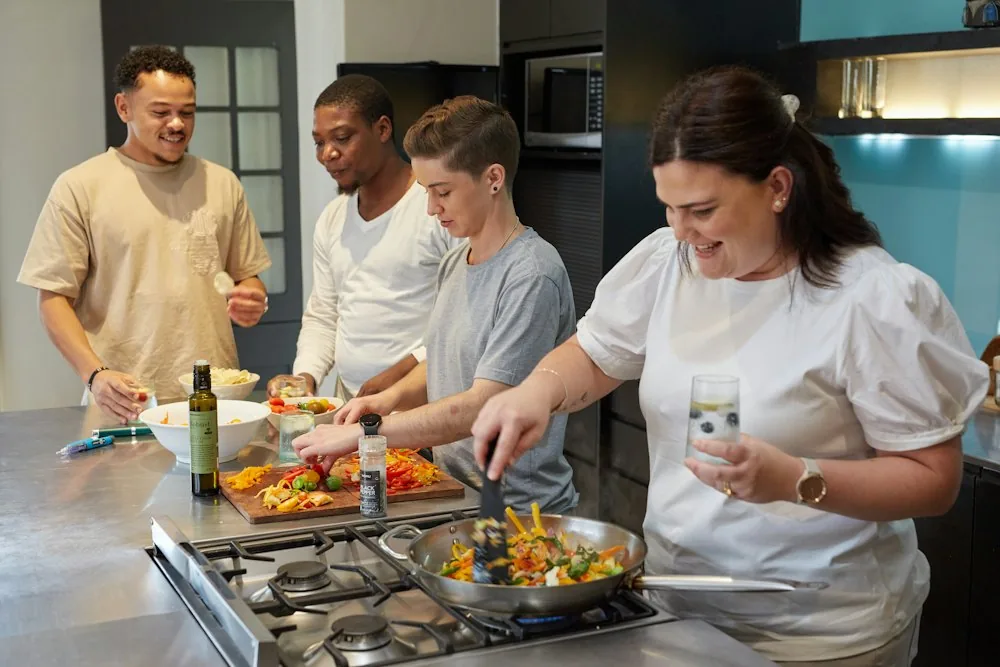
Hands preparing fresh vegetables on a kitchen board

05 Support for family carers

Respite care for family caregivers

Most care in Miami is given by a daughter, a wife or a neighbour who has not had a full day off in years. Supporting them is not a side service — it is often what keeps the whole arrangement standing.

  • Scheduled blocks, from a few hours to overnight
  • Standing weekly hours so a carer can hold down a job
  • Short-term cover after a hospital discharge
  • Backup when a family plan falls through at short notice
  • Practical guidance on what helps and what makes things harder

Usually for: the relative who says they are managing, said in a tone that suggests otherwise.

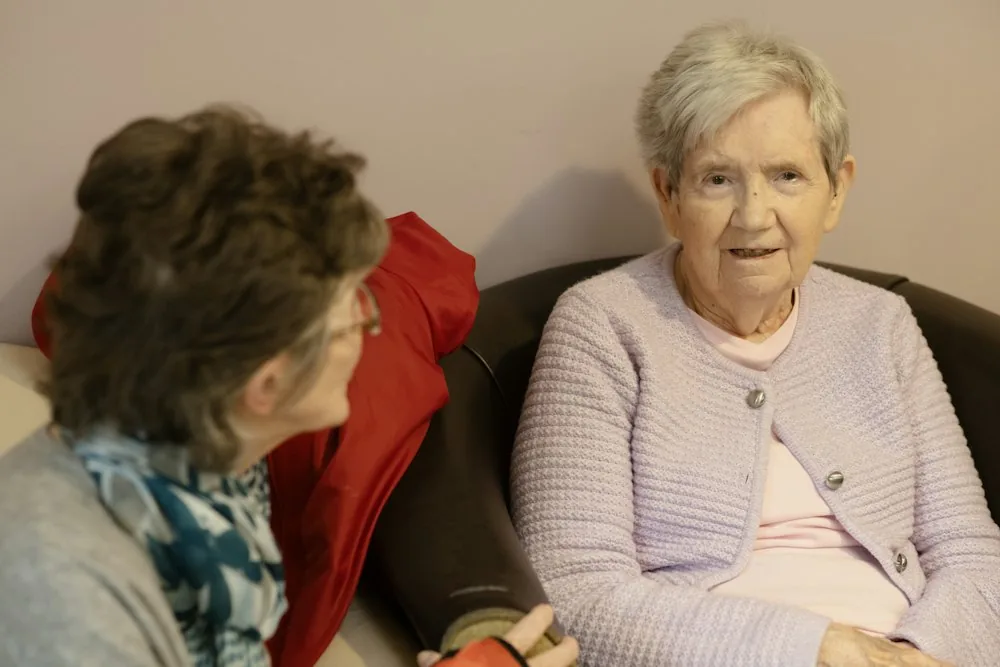
A daughter and her mother laughing together on the sofa

06 Essential services

Paperwork and care coordination

The care is half the job. The other half is forms, phone queues and letters that assume you already know how the system works.

  • Reading letters and explaining what they actually mean
  • Filling in benefits and assistance applications
  • Coordinating with clinics, pharmacies and discharge staff
  • Keeping one folder so the household is not searching for documents
  • Referrals to food, transport and utility assistance

Usually for: a household that qualifies for help it has not been able to claim, or a family managing it from another city.

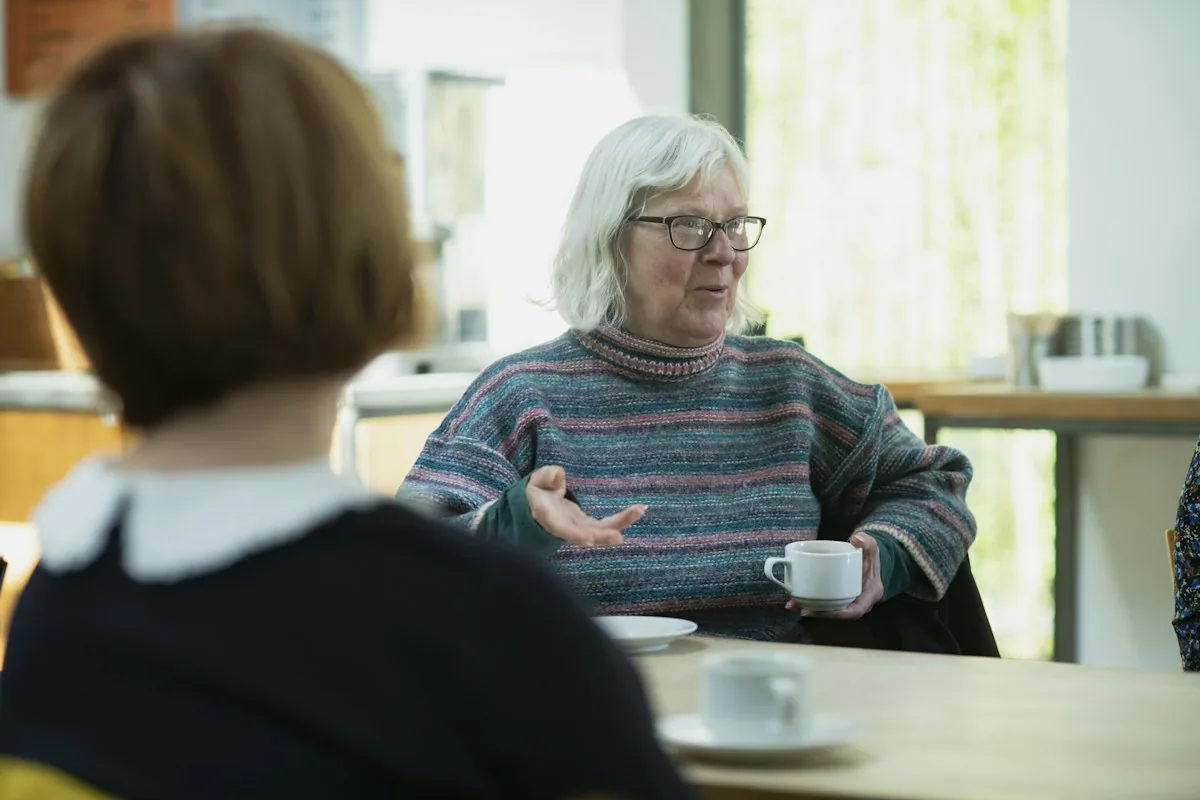
Two people talking across a table over cups of coffee
Warm afternoon light coming through a curtain in a home

Being straight with you

What we are not

We would rather turn a referral down than take one we cannot serve properly. These are the things to arrange elsewhere, and we will help you find the right service if you ask.

  • Skilled nursing. Injections, IV lines, catheter changes and clinical wound care need a licensed nurse.
  • Emergency or crisis response. If somebody is in immediate danger, call 911 first, then call us.
  • Prescribing or changing medication. We remind and record. Decisions stay with the doctor.
  • Residential or nursing home placement. Our whole purpose is the opposite of that.

How care starts

From the first call to the first visit

There is no application to complete before you speak to a person, and nothing is owed if you decide against it.

01

You call, or somebody refers you

Families, clinics, hospital discharge staff, churches and neighbours all refer people to us. We ask who the care is for and what the hardest part of the day is right now. Roughly ten minutes.

02

We visit the home

A conversation, not an assessment interview, with whoever the family wants in the room. We look at the practical realities — the stairs, the bathroom, the fridge, who else is around — and what the person actually wants help with.

03

We agree a plan and the cost

Which services, which hours, which days, and what it will cost. You get the number before anything starts, along with an honest view of what you may qualify for elsewhere.

04

Care starts small

We usually begin with less than people expect and build up. Starting small is also how a person who did not want “a stranger in the house” comes round to it.

05

It gets reviewed, because it will change

You will have a named contact. Hours go up and down as things change, without starting the process again from the beginning.

In practice

What all of this looks like on an ordinary Tuesday

Services listed on a page are abstractions. The home page walks through a single day hour by hour — getting up, the pillbox, getting out of the house, and the long evening nobody bills for.

See a day of care

Not sure which of these you need?

Most people are not. Describe the situation and we will tell you which parts are worth starting with — and which you do not need yet.